By the time a B2B SaaS buyer talks to your team, the decision is largely made. Nearly 94% of business buyers have used AI during their purchasing process; thus, generative AI ranks as one of the most meaningful research sources to focus on. Your website, your content, and your visibility in AI-generated answers do the selling long before a rep ever gets on a call.
That’s what makes SEO for B2B SaaS different than it is for almost any other category. This blog walks through how B2B SaaS and professional clients find and evaluate vendors today, why SEO remains genuinely significant, and how to build a content and technical strategy.
Right now, keep scrolling to discover more!
What is SaaS SEO?
SaaS SEO is the practice of optimizing a software company's website, content, and technical infrastructure so that ideal-fit buyers can find, evaluate, and trust the product through organic discovery channels, including Google, ChatGPT, Gemini, Claude, and more. It is also a core B2B growth marketing strategy that every size of business should consider.
Compared to traditional SEO, there are more aspects behind good SEO SaaS conversions:
- The buying committee is bigger: A single B2B SaaS deal often involves five or more stakeholders, each with different questions and different content requirements.
- The sales cycle is longer: Instead of a single purchase, SaaS SEO has to support a client across weeks or months of research, comparison, and internal validation.
- The product is intangible: Buyers can’t hold the product, so trust signals, such as case studies, reviews, security certifications, and integration depth, are more critical.
- Retention matters as much as acquisition: SEO content also has to support existing customers (e.g., help docs, use-case content, how-to videos, integration guides) because expansion and renewable revenue are core to the SaaS model.
What’s changed in organic search?
Search itself looks different than it did 2 years ago. Google increasingly answers queries directly on the results page through AI Overviews, and independent data shows what that does to click behavior. Let’s take a look at the following statistics that are worth considering:
- “Position 1 organic CTR dropped from 1.41% to 0.64% when an AI Overview is present, an effective 54% click loss” - SQ Magazine.
- “About six-in-ten respondents (58%) conducted at least one Google search in March 2025 that produced an AI-generated summary” - Pew Research.
- “Nearly 94% of businesses report using AI during their buying process” - Forrester.
- “B2B software research increasingly begins in a chat window. Buyers haven’t stopped Googling, but 71% say they now rely on AI chatbots for software research, up from roughly 60% just 7 months ago.” - Learn G2.
Ranking #1 on Google is no longer the entire game. Brands also need to be cited, quoted, and recommended by AI search. As more customers ask ChatGPT, Claude, or Google's AI Overviews for recommendations, visibility increasingly depends on whether your content is trusted enough for AI to reference, not just whether it is ranking well in traditional search.
At the same time, the B2B buying journey has become increasingly self-directed. According to the National Research Group, nearly 75% of B2B buyers now complete their purchasing journey in 12 weeks or less, relying on search engines, AI tools, social media, and peer recommendations to research and evaluate vendors before ever speaking with sales.
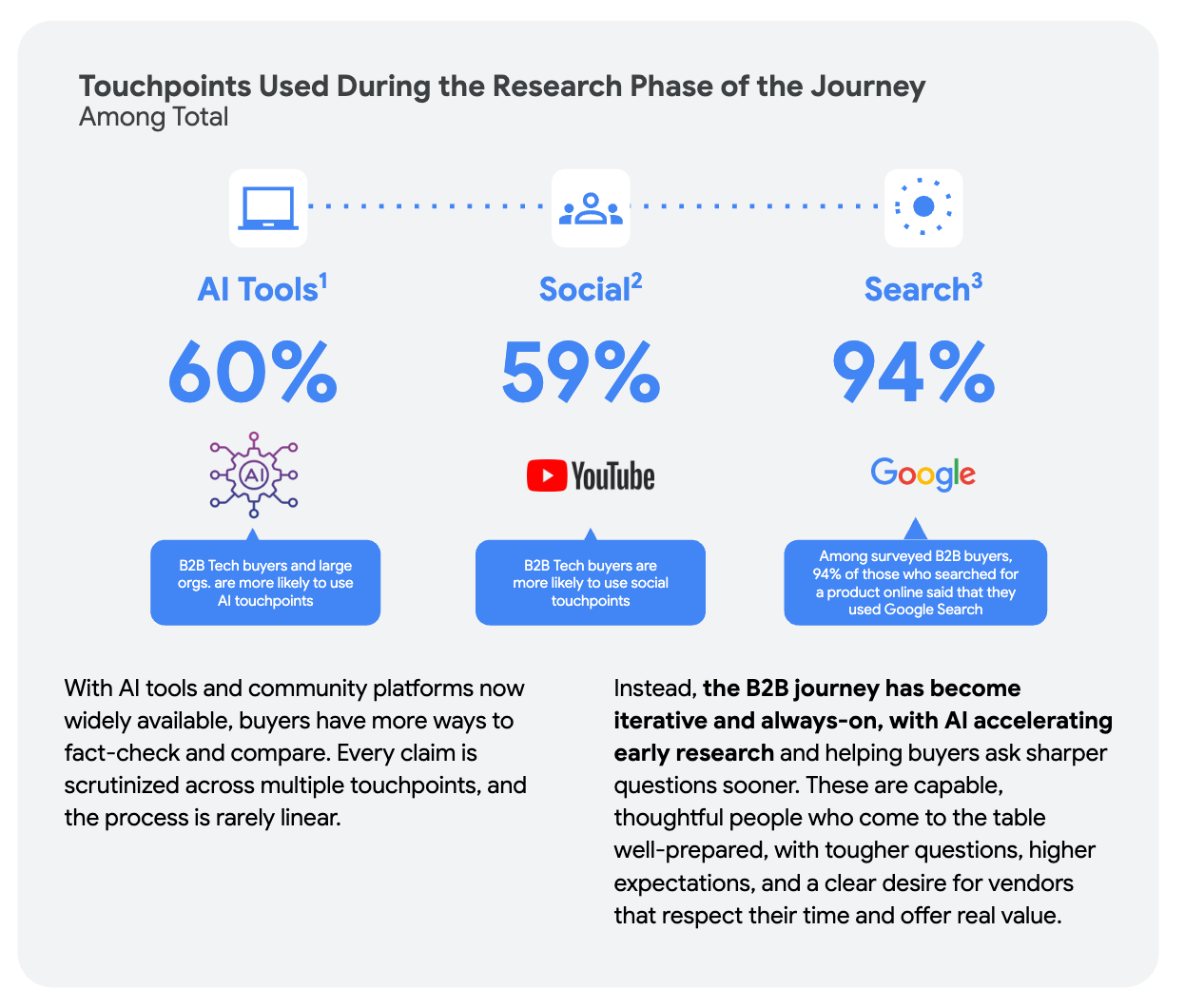
As a result, SEO and AI visibility now influence nearly every stage of the buyer journey, from discovering a category, researching potential solutions, comparing vendors, and validating decisions to creating a final shortlist. Thereby, if your website fail to appear across both, your brand risks being excluded from consideration before a sales conversation even begins.
Why SEO Is Critical for B2B SaaS?
Cut Your Cost Per Lead: SEO vs. Paid Media
Paid advertising is effective for generating instant traffic, but every visitor comes at a cost. Once your ad budget stops, so does your visibility. That’s when SEO for B2B SaaS works differently. By creating optimized educational content, you build assets that continuously attract qualified prospects without paying for every click. Over time, this lowers your CAC while generating a steady stream of high-intent leads searching for solutions like yours.
Deliver Compounding Value Over Time
In fact, a ranking asset doesn't reset every month. A comparison page, a category guide, or a use-case article you publish this quarter can continue to earn traffic, links, and AI citations two or three years from now. That compounding curve is what turns an SEO program from a cost center into a long-term growth asset, and it's precisely why the businesses that started investing early now hold a structural advantage that's costly for competitors to catch up to.
Fuel Growth Across the Entire Funnel
B2B SaaS customers conduct extensive research before speaking with your sales teams.
They search for educational resources during the awareness stage, compare vendors during evaluation, and look for implementation guides, pricing, and case studies before deciding. An effective SEO strategy ensures your brand appears throughout this journey, capturing demand at every stage instead of relying solely on bottom-funnel keywords. This lets you educate prospects early, nurture trust, and stay visible until they're ready to request a demo.
Build Trust and Credibility
High organic rankings are considered a strong trust signal, and that's becoming even more important as AI-powered search changes how buyers discover software. Appearing at the top of search results, or being cited in AI-generated answers, indicates that your brand is authoritative, relevant, and trustworthy. For many customers, visibility is a real social proof.
The following results from Wynter’s Research reinforce how important this early visibility is:
- 78% of B2B customers shortlist only 3 vendors to get a demo with.
- 97% of buyers check out a vendor's website during that research.
- 58% of marketing executives rely on peer networks to build their initial shortlist.
- 92% of buyers ultimately purchase from the shortlist they formed on day one.
Ultimately, SEO for B2B SaaS is not simply about increasing traffic. It is about earning visibility during the research phase, establishing authority with both search engines and AI search experiences, and ensuring your business makes the shortlist before competitors do.
How B2B SaaS Buyers Search for and Find Company Websites
In a long sales cycle like B2B SaaS, especially one involving procurement, IT, and multiple department stakeholders, discovery can happen across several channels simultaneously.
1. Peer conversations & dark social
A large share of vendor research now happens in places no analytics tool can see, such as private Slack communities, LinkedIn DMs, internal chat threads, and conversations at industry events. This is often called the "dark funnel," and by some estimates it accounts for the majority of a buyer's total research timeline. Buyers trust a peer's opinion more than any marketing asset. That’s why community presence, customer advocacy, and word of mouth increasingly function as a discovery channel in their own right—one that SEO for B2B SaaS can support through customer stories or expert contribution, even if they can't fully control it.
2. AI-powered research
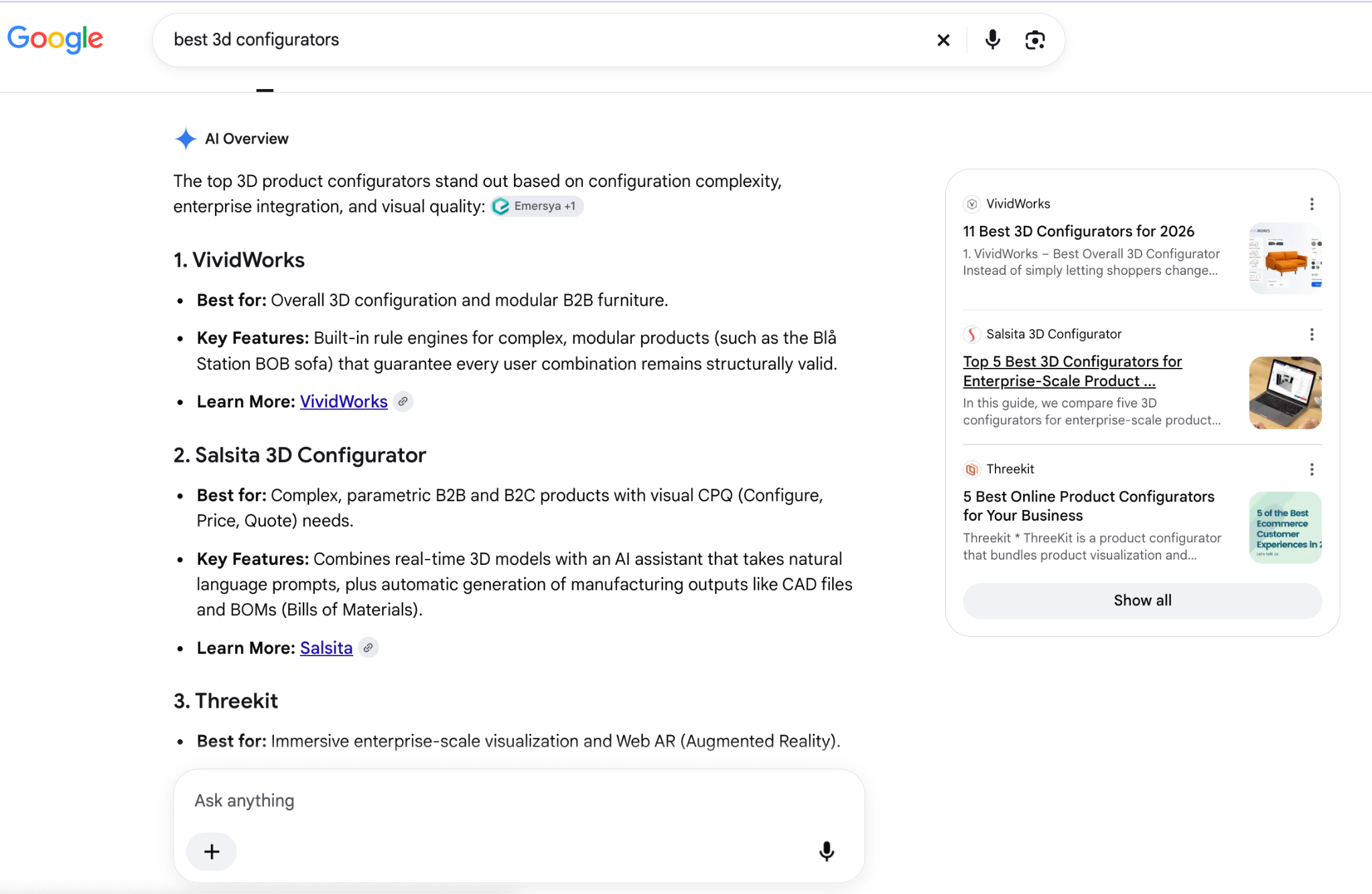
AI assistants such as ChatGPT, Claude, and Gemini are becoming a starting point for B2B software research. Buyers increasingly ask questions like "What's the best CRM for manufacturing?" and use the AI-generated shortlist as a foundation for further evaluation.
Google is evolving in the same direction through AI Overviews, which summarize answers and recommend vendors directly within search results. As AI becomes another discovery layer, SaaS brands need content that demonstrates expertise, authority, and topical depth to boost their chances of being referenced by AI, not just ranking in traditional search results.
3. Review & third-party platforms
Platforms such as G2, Capterra, and industry comparison websites remain some of the most influential resources in B2B software evaluation. Buyers use them to compare features, pricing, implementation experiences, and customer satisfaction before requesting a demo.
4. Organic search (Google)
Despite the rise of AI, Google remains one of the primary ways customers discover B2B SaaS companies. Decision-makers search throughout the buying journey, from educational queries such as "SEO for B2B SaaS" to solution-specific searches, such as "best SEO agency for SaaS", competitor comparisons, pricing, integrations, and implementation guides.
A strong SEO strategy ensures your website appears across these high-intent searches, allowing you to capture demand every stage rather than competing only for BOFU keywords.
5. LinkedIn and community channels
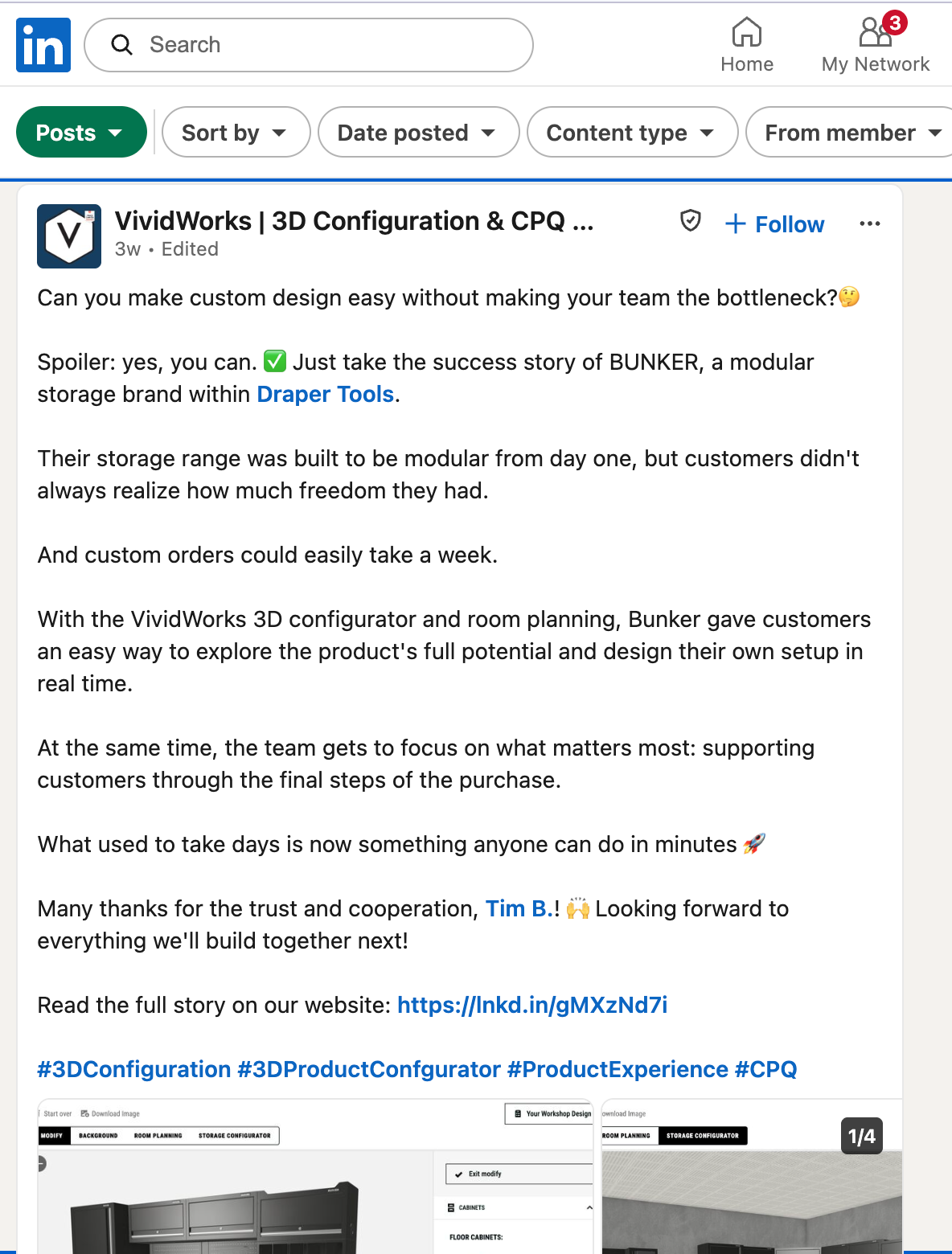
For B2B SaaS and professional services especially, LinkedIn functions as both a discovery and a credibility channel. Buyers check a company's (and its founders'/executives') LinkedIn presence to gauge legitimacy, and especially thought-leadership content shared there drives the peer recommendations that shape a shortlist long before a formal search happens.
6. Branded/direct search
By the time buyers search for your company by name or navigate directly to your website, they've typically encountered your brand through multiple touchpoints. Branded searches are less a discovery channel than a validation signal, indicating that your marketing efforts have successfully built awareness and interest. Whether buyers first found you through organic search, AI recommendations, review platforms, or peer referrals, a branded search marks the point where they're ready to learn more, compare your solution, or book a demo.
5 Core Pillars of SEO for B2B SaaS Websites
If you're building a sustainable organic growth strategy, a modern B2B SaaS SEO guide extends far beyond ranking blue links in Google. Let’s take a closer look at how the five pillars below work together to maximize visibility through the entire B2B purchasing journey.
SEO - Search Engine Optimization
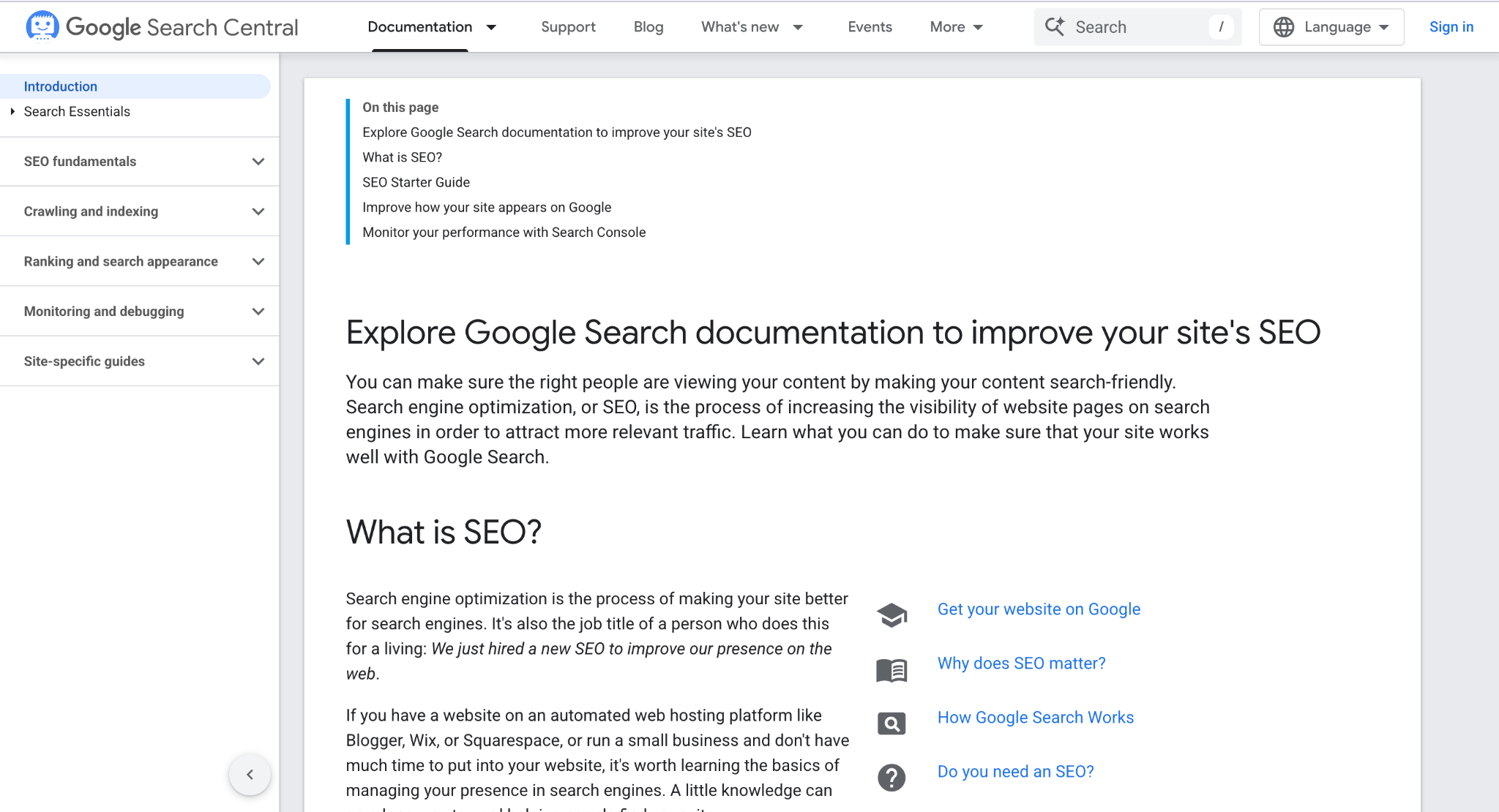
The first SEO perspective is the foundation of every successful organic growth strategy. It helps your website rank higher in search engines by making it easy for both users and search engine crawlers to understand your content. A strong SEO for B2B SaaS strategy should include comprehensive keyword research, technical SEO, logical site architecture, internal linking, and high-quality content that matches buyer intent. By improving your website's visibility for relevant searches, SEO drives qualified organic traffic, establishes long-term authority, and generates consistent leads without relying solely on paid adverts.
AEO - Answer Engine Optimization
As Google increasingly surfaces AI Overviews, featured snippets, and direct answers, AEO helps your content become the answer users see first. Specifically, AEO emphasizes answer-first content, clear headings, concise explanations, FAQs, and schema markup. Therefore, well-structured content is more likely to be extracted by search engines and answer engines, increasing visibility even when users don't click through to your website.
GEO - Generative Engine Optimization
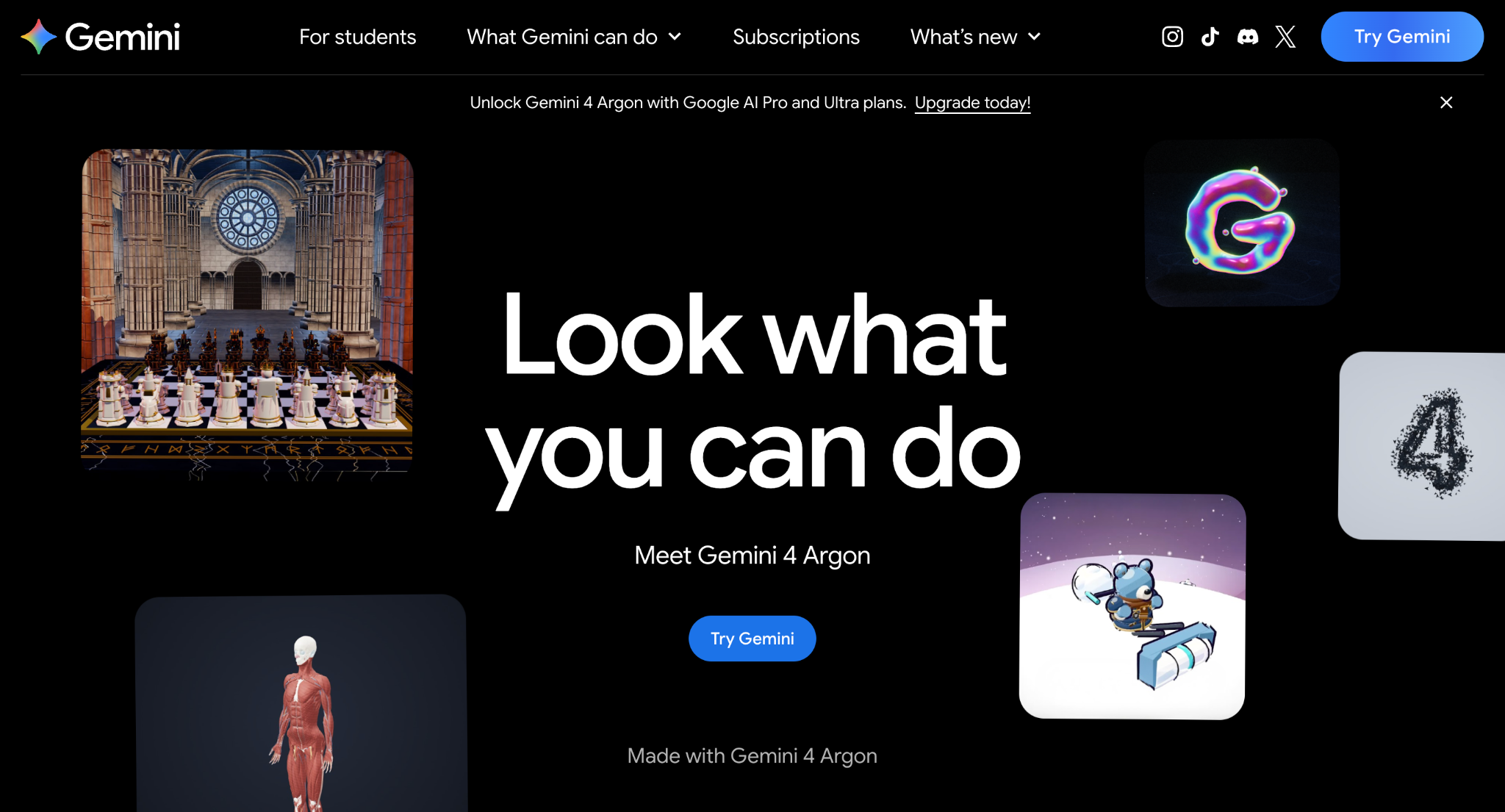
GEO focuses on improving your visibility in AI tools such as ChatGPT, Claude, Gemini, and Perplexity. These platforms rely on authoritative, trustworthy information rather than keyword rankings alone. To increase your chances of being recommended, it’s recommended to create entity-rich content, earn citations and backlinks, encourage customer reviews, and build consistent brand mentions across reputable third-party websites. Truly, GEO helps position your SaaS brand as a credible source that AI systems are more likely to reference.
AIO - Artificial Intelligence Optimization
This SEO pillar ensures AI systems can accurately understand and retrieve information about your business. While SEO for B2B SaaS traditionally focused on search engines, AIO expands this to include AI models by prioritizing machine-readable content, structured data, knowledge graphs, and consistent entity information. The easier it is for AI to interpret your website and products, the more confidently it can recommend your business in AI Overview.
SXO - Search Experience Optimisation
The last pillar has recently emerged in discussion. It focuses on what happens after users discover your website. Higher rankings only matter if visitors stay engaged and convert.
In fact, SXO means balancing page speed, user experience, CRO, trust signals, content readability, and clear CTAs. A seamless journey encourages visitors to explore your solution, book a demo, or start a free trial, turning organic traffic into qualified leads and revenue.
A Step-By-Step B2B SaaS SEO Guide
Stage 1: Start With ICP + Keyword Intent Mapping
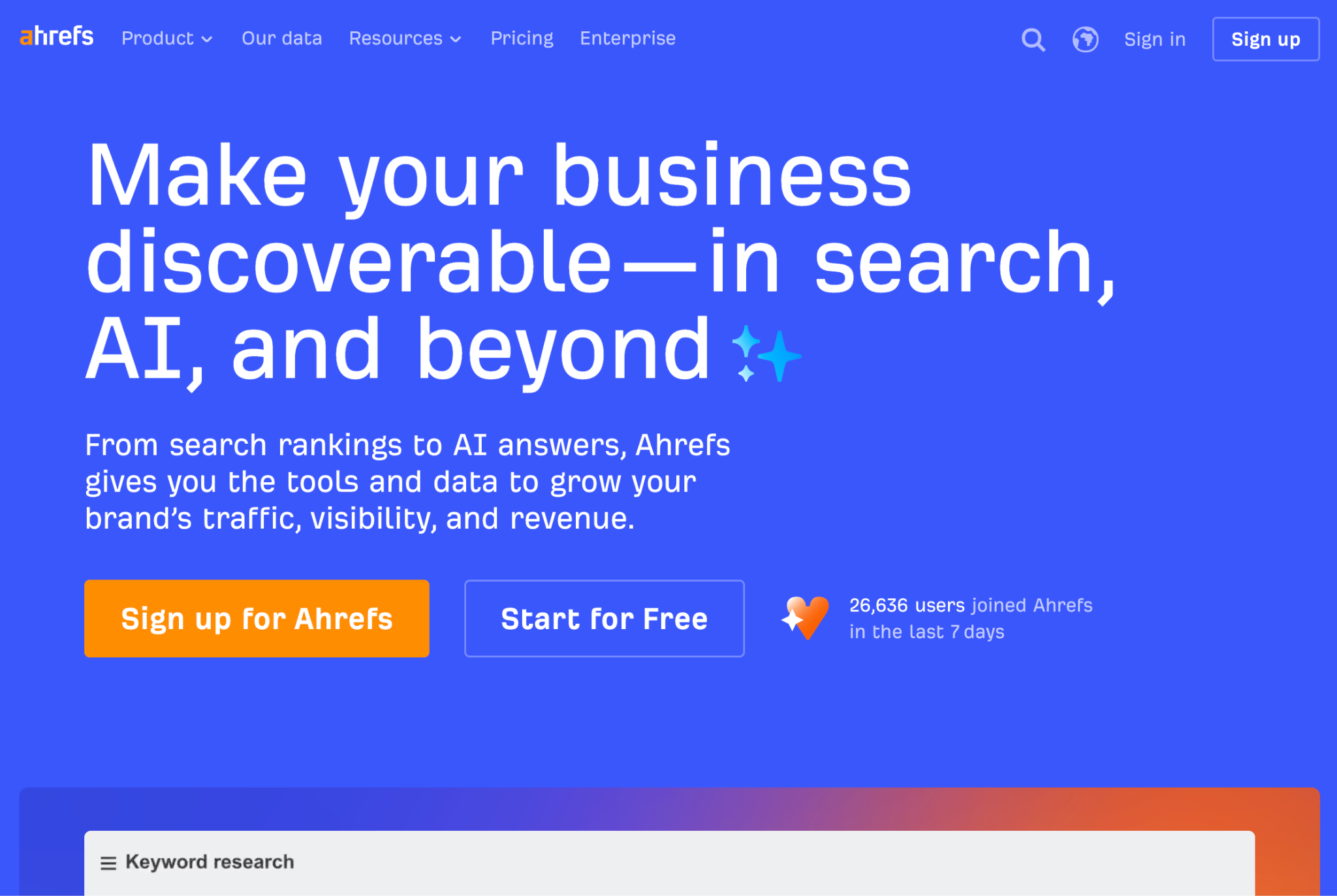
Before creating any content, you need to define your Ideal Customer Profile (ICP) and understand how different customers search throughout the purchasing journey. Rather than targeting keywords based only on search volume, it will be greater to focus on search intent.
In B2B SaaS, multiple stakeholders, from technical evaluators to decision-makers, search for different information at different stages. That's why doing B2B keyword research involves mapping problem-aware, solution-aware, and vendor-aware keywords to each persona and funnel stage. This ensures your content addresses real needs and attracts qualified traffic.
Stage 2: Have Technical SEO Settings
Technical SEO provides the infrastructure that allows search engines and AI crawlers to discover, understand, and index your business website efficiently. Before investing heavily in content creation, ensure your website follows essential technical best practices, including:
- XML sitemap to help search engines discover and crawl your pages.
- Schema markup such as Organization, Product, FAQ, and Article schema to provide structured information for search engines and AI-powered search experiences.
- Canonical tags to prevent duplicate content issues across pages.
- 301 redirects to preserve link equity and maintain a seamless user experience.
Stage 3: Create an SEO Content Strategy for B2B SaaS
“80% of your growth comes from 20% of your strategies” - Kristaps Brencans
This is a useful reminder before you start producing more content. Most content programs are spread too thin across too many low-intent topics; identifying and doubling down on the content types and topics actually driving pipeline usually beats simply publishing more.
For SaaS companies with long sales cycles, it's also worth building account-based (ABM) content into the strategy rather than treating content purely as a broad-funnel SEO play.
Traditional SEO for B2B SaaS content optimizes for traffic and MQL volume; ABM content strategy maps content specifically to the challenges of a defined set of target accounts, at whatever stage of the buying journey they're in. In fact, both work best together: SEO content builds category-wide visibility and earns the AI citations that get you onto a shortlist, while ABM content personalizes the journey once a specific high-value account is engaged.
Whatever mix you land on, you should map your content strategy to the level of awareness:
- Top of funnel (ToF): Educational articles, "what is X" guides, and industry trend pieces effectively get found and start building trust before a buyer has a shortlist.
- Middle of funnel (MoF): Comparison pages, "how to choose" guides, use-case breakdowns, and ROI frameworks shape the criteria buyers use to evaluate vendors.
- Bottom of funnel (BoF): Product pages, customer case studies, documentation, pricing pages, and head-to-head comparisons can help win the shortlist decision.
Learn more: ABM Lead Scoring: A Complete Guide for B2B Leads Success
Stage 4: Brief and Write for SEO
A well-defined content brief ensures every article supports both search visibility and objectives. Each brief should clearly specify the target keyword, search intent, target persona, funnel stage, competing pages, and the key questions the article should answer.
When writing, it’s recommended to prioritize clear, direct answers near the beginning of the page before expanding into detailed explanations. This structure can improve readability while increasing the likelihood of earning featured snippets and AI-generated citations. Additionally, don’t forget to learn expert tips for creating SEO content for stronger rankings.
Stage 5: CMS Publish and Build Links
Publishing content involves more than clicking "Publish." Every blog should follow SEO best practices, including descriptive URLs, logical heading structures, optimized metadata, relevant internal links, and fast loading speeds. After publishing, you need to focus on building your website's authority through high-quality backlinks and brand mentions. Digital PR, guest posting, strategic partnerships, customer reviews, and industry publications all strengthen your site's credibility. These not only improve traditional search rankings but also increase the likelihood of your business being referenced by AI-powered search platforms.
Stage 6: Monitor, Analyze, and Refresh Content
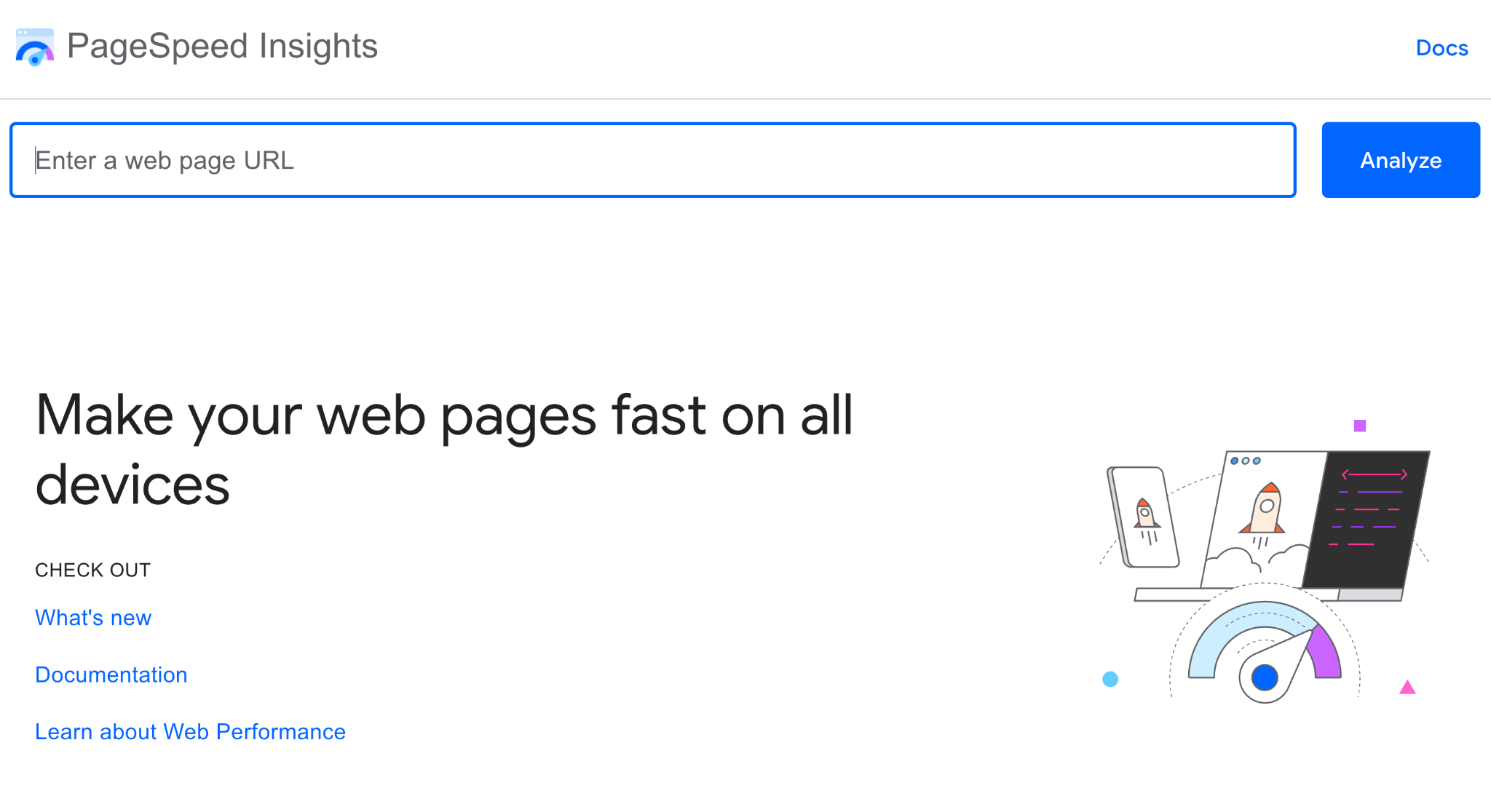
In this stage, continuously monitor keyword rankings, organic traffic, conversions, and the metrics that matter most, such as qualified leads and revenue generated via organic search.
As AI search becomes more prominent, it's also important to track your brand's visibility across platforms like ChatGPT, Gemini, and Claude, then refresh your content when necessary to maintain accuracy and relevance. Finally, stay up to date with Google's Search updates and adapt strategies of SEO for B2B SaaS to align well with evolving best practices.
Conclusion
To sum up, SEO for B2B SaaS is no longer just about ranking higher on Google. It is about building visibility across search engines, AI platforms, and every touchpoint where potential customers research solutions. By combining technical SEO, buyer-focused content, AI optimization, and continuous performance monitoring, you can create sustainable growth. Don’t forget to adapt your SEO strategy to earn trust, visibility, and higher conversion rates.

Wanna grow with us?
Schedule a call with our growth marketers and we will help you analyze your marketing, product, and metrics. We will present a Growth Plan with strategies to help you increase traffic, and convert better.